
Bhangmeter V2 — The Gamma Detector
A nuclear explosion gives itself away in several ways at once: a burst of gamma rays, a double flash of light, a pulse of heat, and finally the blast wave. Bhangmeter V2 listens for the first signal to arrive — the invisible gamma-ray flash.
How it works
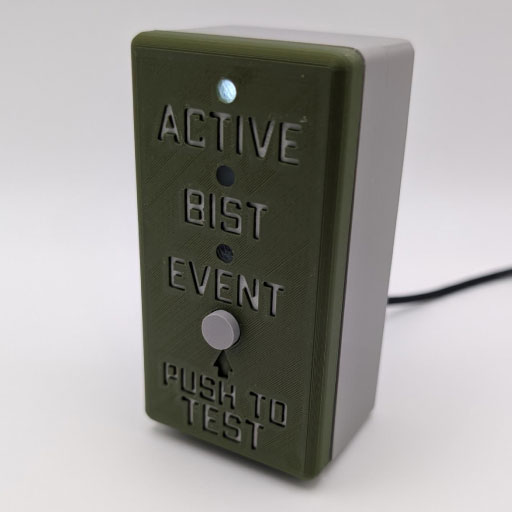
Bhangmeter V2 is built around an HSN-1000L Nuclear Event Detector — a chip designed to sense the intense gamma-ray burst of a nuclear explosion. That burst travels at the speed of light, so it reaches the detector almost instantly. Behind it come the neutron flux (at roughly a tenth of light speed) and, much later, the blast wave itself — lumbering in at Mach 1.5 to 3, anywhere from milliseconds to seconds afterwards depending on how far away the detonation was.

When the gamma burst hits, the HSN-1000L fires a brief electrical pulse. A Raspberry Pi Pico 2W reads this as a Nuclear Event Detection (NED) and immediately records the precise time it happened.
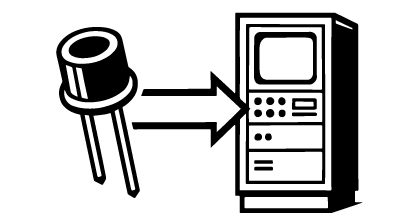
Every minute the detector checks in over WiFi, uploading its status to the cloud. The instant a real event is recorded, that timestamp is stored permanently — so even if the detector doesn’t survive what comes next, the evidence does.

Shortly afterwards — the delay depending on distance — the blast wave arrives and the detector’s mission is complete. Its moulded polymer casing is designed to offer a few moments of ablative cooling on the way out.

The sensor inside
The original HSN-1000L chip that V2 was designed around is no longer made. That’s why there’s a companion project — the BHG-2000, an open-source, drop-in replacement you can build yourself. If you want to build a V2 today, that’s the sensor that now powers it.
Build one yourself
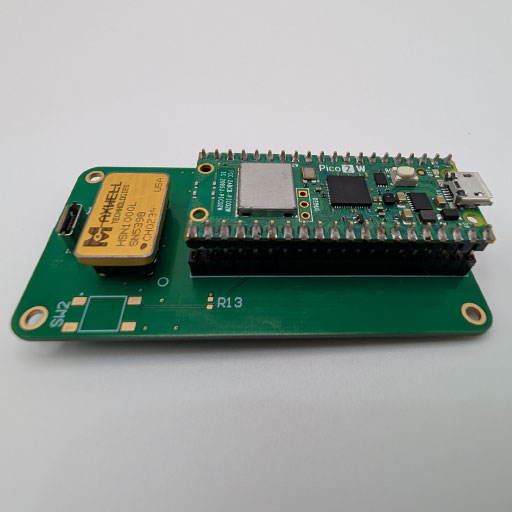
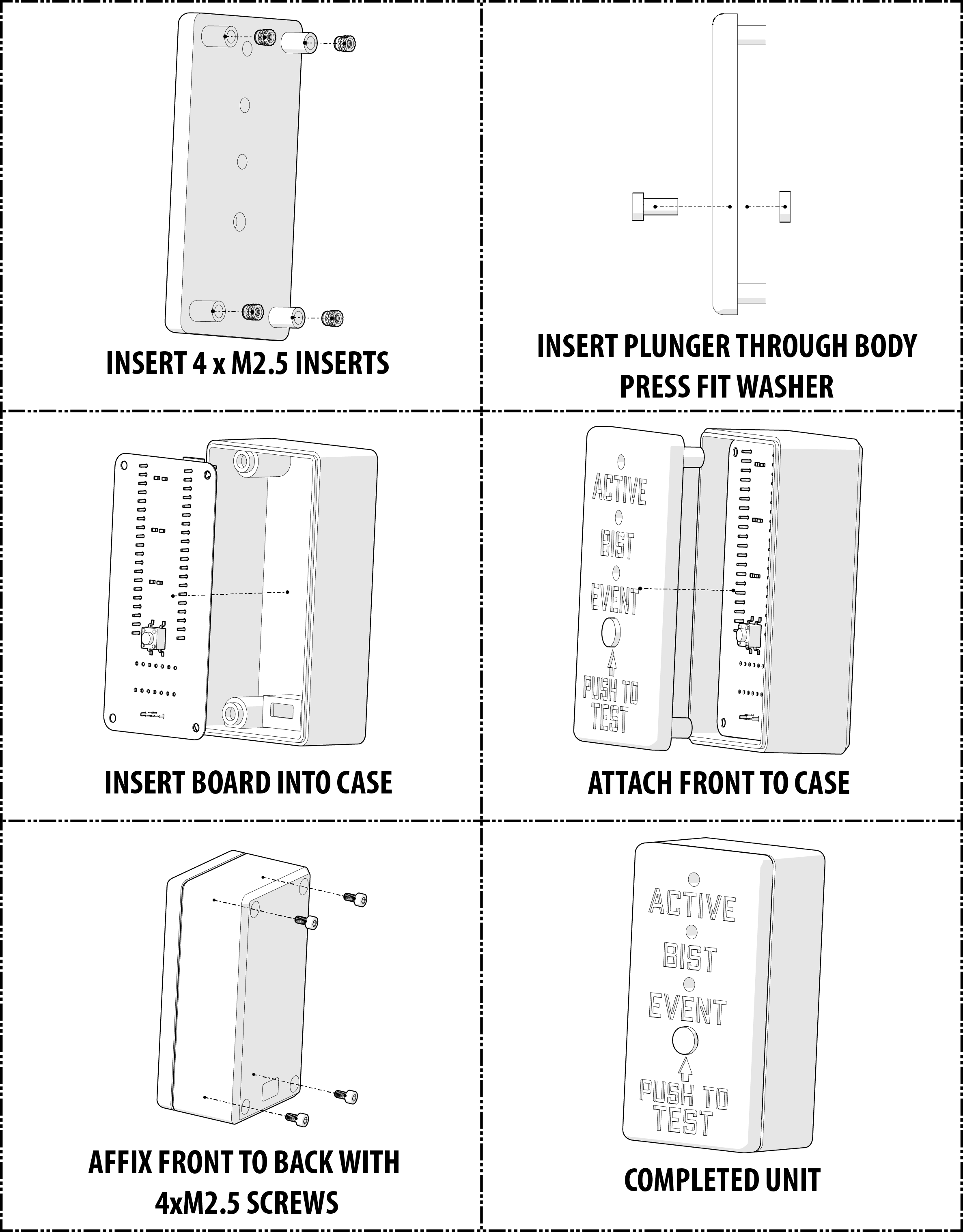
Bhangmeter V2 is fully open-source. The design package includes a 3D-printed housing, PCB gerbers, schematic and assembly documents, firmware and source code, and step-by-step build instructions.
Full details are on GitHub: Bhangmeter V2 — gamma detector.